
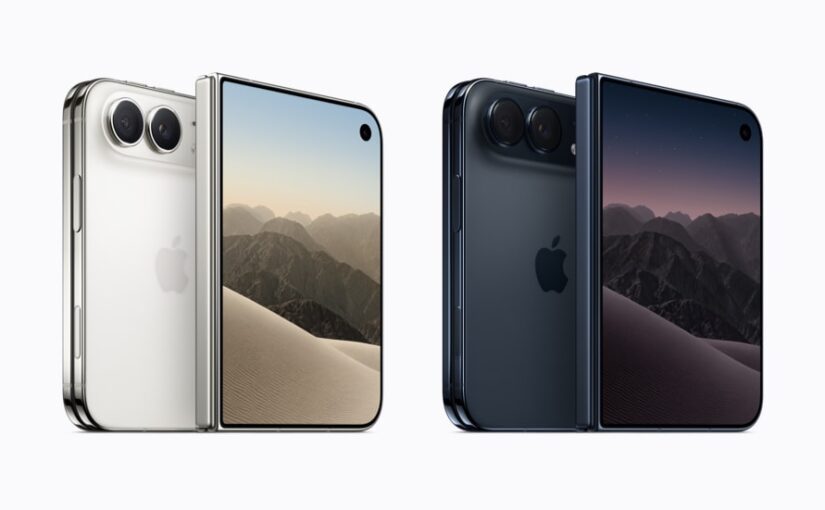
The iPhone Duo is tempting. Buying it immediately is optional. A folding iPhone could change how we read, work, and take photos on the move. But a compelling launch presentation is only the beginning of a purchasing decision.
As of October 2, 2026, Apple says preorders begin October 16, with availability starting October 23 in the first launch markets. This is an opinion piece about reasons to wait, based on announced information—not a hands-on review or a claim that the device has proven faults. Source: Apple’s announcement.
1. The price deserves more than an impulse decision
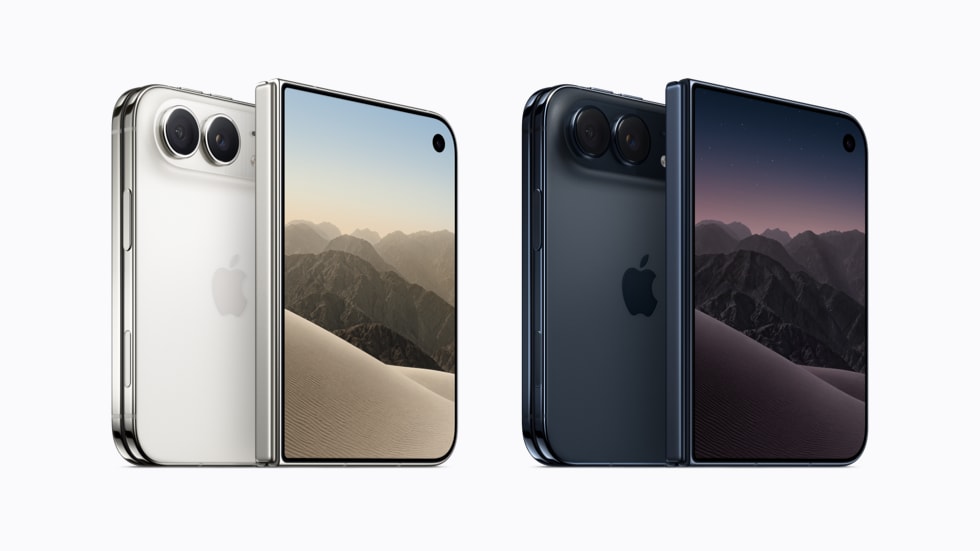
Apple’s announced starting price is $1,999 in the US; local prices and taxes differ. At that level, take time to calculate what the upgrade actually buys you. A larger screen is appealing, but it needs to earn its place in your daily routine. Source: Apple.
Write down three tasks your current phone handles poorly. If folding the display does not meaningfully improve them, the excitement may be doing more work than the product.
2. First-generation ownership comes with unanswered questions
This is Apple’s first foldable iPhone. That alone does not make it unreliable. It does mean years of everyday ownership evidence are unavailable for this particular design. Source: Apple.
If you need a phone you can forget about, let early owners establish how it fits into ordinary life. Waiting buys information without requiring you to fund the experiment.
3. You should handle it before committing
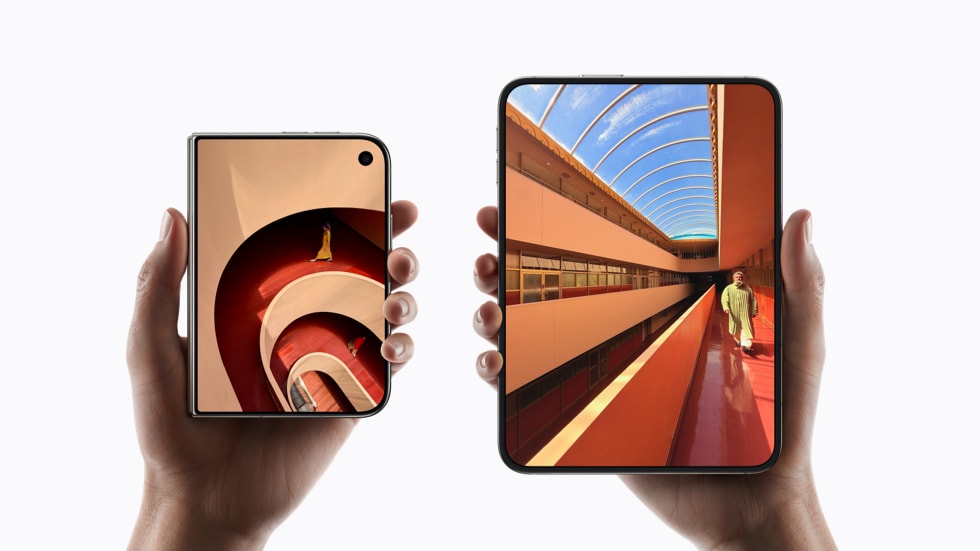
The specification sheet lists 254 grams and a folded thickness of 11.3 mm. Numbers cannot tell you how it feels in your pocket or whether opening it one-handed is comfortable for you. Source: technical specifications.
Try typing, taking a photo, reading while standing, and putting it away. Repeat with a case. A short practical test can reveal more about suitability than another promotional video.
4. Your essential apps need a practical test
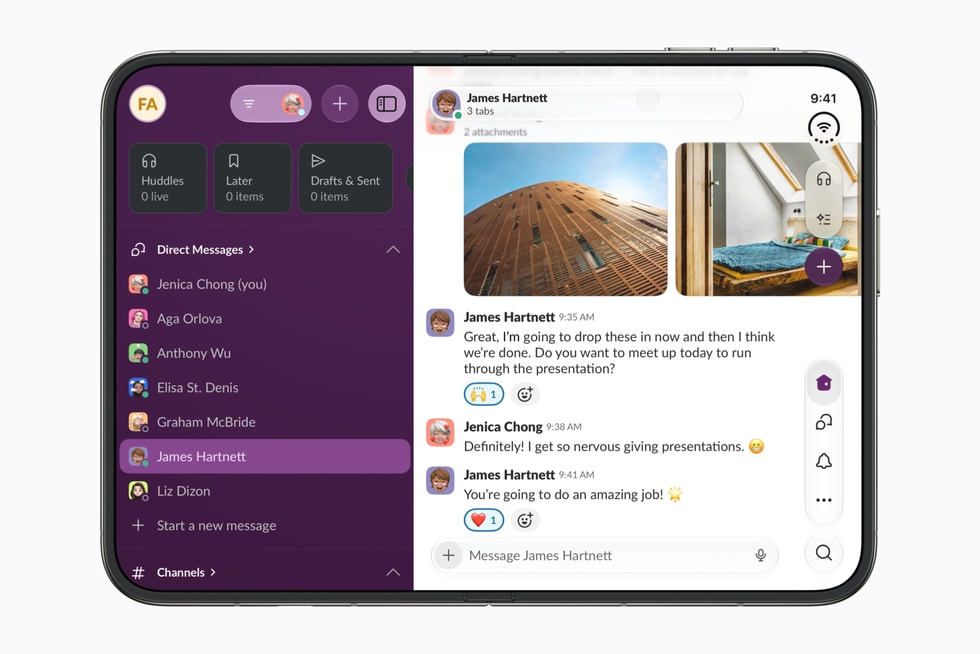
Apple’s developer resources include guidance for supporting the new device. That is a reminder to assess your own apps, rather than assume every workflow will benefit equally. Source: Apple Developer.
Check your banking app, password manager, work tools, and reading software. Look for comfortable layouts and continuity when switching displays. A beautiful demo of one app does not answer questions about the five you use every day.
5. Battery figures are not your battery life
Apple advertises up to 31 hours of video playback on the inner display and 44 on the outer display. Those are specified test scenarios, not a promise about your mixed day of navigation, camera use, calls, and multitasking. Source: Apple’s product page.
Wait for testing that resembles your habits. If you expect to spend most of the day on the large screen, prioritize results for that pattern of use.
6. Camera buyers should compare results, not screen sizes
The rear system has Main and Ultra Wide cameras, with optical-quality 2x zoom derived from the Main camera. It does not list a separate long telephoto camera. Source: technical specifications.
If concerts, wildlife, or distant subjects matter to you, compare actual photographs at the distances you shoot. A bigger viewfinder is useful, but it cannot settle which camera system best matches your needs.
7. Your carrier and travel setup may need preparation
Apple says iPhone Duo uses eSIM worldwide. Before switching, confirm your carrier can activate it and check how you will obtain service in the places you travel. Source: Apple’s eSIM FAQ.
For someone accustomed to swapping physical SIM cards, this is a workflow change worth resolving before buying, especially if the phone must be ready for an upcoming trip.
8. Future features should stay out of today’s justification
Apple’s announcement places USB-C Apple Pencil support later in the year. If handwritten notes or sketching are the main reason you want Duo, wait until the feature is available and you can test it. Source: Apple.
The same principle applies to any feature whose availability depends on language, region, or a later update: make the decision using what you can actually use when you receive the phone.
9. The ownership budget goes beyond the phone
Before ordering, check local prices for the case you want, accidental-damage coverage, and out-of-warranty repairs. Include any accessories you genuinely need.
This is not a prediction that Duo will break. It is a way to avoid discovering the cost of your preferred setup after you have committed most of your budget to the handset.
10. Your current phone might still be the better purchase: keep it
Ask what would change tomorrow if you bought Duo. Would you finish work faster, read more comfortably, or replace another device? Or would your routine remain largely unchanged?
If your current phone is still supported and meets your needs, keeping it gives you time to evaluate reviews, app updates, and your own priorities. There is no reward for upgrading before you have a reason.
When would I reconsider?
After trying one in person, checking my essential apps, reviewing independent battery and camera tests, and pricing the complete setup. If those checks show a clear everyday benefit, the Duo becomes an easier purchase to justify.
The idea is exciting. The sensible buying date is the day you have enough evidence that it is right for you.
Written October 2, 2026. Specifications, prices, and feature availability can change. Images are official Apple press images; Apple does not endorse this article.